Save big on select digital downloads!

When Can A Toddler Have A Pillow And Blanket?
Wondering When Can A Toddler Have A Pillow And Blanket? Discover the ideal age, expert safety tips, and tricks for cozy, secure toddler sleep in a secure bedtime environment.
7/4/20264 min read
When Can A Toddler Have A Pillow And Blanket?
If you’re wondering when can a toddler have a pillow and blanket, you’re definitely not alone. This is one of the most common questions parents ask once their baby starts looking more like a busy little toddler than a tiny newborn.
The tricky part? Pillows and blankets don’t have the same safety guidelines. One can come earlier, the other needs to wait a bit longer. Let’s break it down in a simple, parent-friendly way.
When Is It Safe To Introduce A Blanket To Your Toddler?
Most safe sleep recommendations say: no loose blankets, pillows, or soft objects in the crib for at least the first 12 months. This is to lower the risk of suffocation and keep your baby’s sleep space as clear and safe as possible.
After your child’s first birthday, things become a little more flexible. Many experts suggest that a lightweight, breathable cotton blanket can be safe somewhere between 12–18 months, as long as your toddler is otherwise healthy and mobile enough to move the blanket away from their face.
A few helpful guidelines when you’re deciding:
Talk to your pediatrician if you’re unsure or your toddler has any medical concerns.
Choose a thin, breathable blanket, not heavy or bulky.
Keep the crib simple: firm mattress, fitted sheet, and just the lightweight blanket if you decide to use one.
Even once you start using a blanket, sleep experts still love sleep sacks (wearable blankets). They help keep toddlers warm without the blanket constantly being kicked off, and they’re usually safe well into toddlerhood. Many kids only really start keeping a blanket over themselves reliably around 2.5 years old.
When Is It Safe To Introduce A Pillow To Your Toddler?
Pillows are a different story. While a blanket can sometimes be introduced in the second year, a pillow is usually better saved for later.
A commonly recommended guideline is:
Wait until your child is at least 2 years old before offering a pillow.
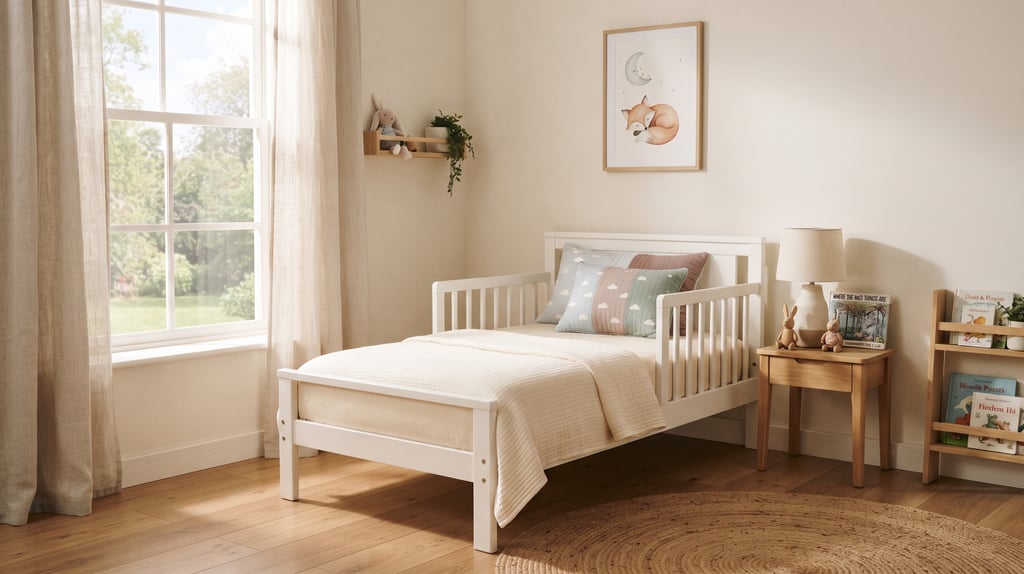
It’s safest when they’re out of the crib and in a “big kid” bed or toddler bed.
Many sleep consultants even suggest waiting until around 3 years old to move from crib to bed, simply because younger toddlers don’t have great impulse control yet. Moving too early can lead to a lot of bedtime battles and wandering out of bed.
Remember: your toddler has spent their entire life sleeping flat without a pillow. It feels normal to them. There’s no rush to add something new that could disrupt sleep if they’re not ready.
What To Look For When Purchasing A Pillow
When your toddler is finally old enough and you feel confident introducing a pillow, not just any pillow will do. Skip the big, fluffy adult pillows and look for something designed specifically for toddlers.
Aim for a pillow that is:
Small – Their pillow should match their tiny body, not overwhelm them.
Firm and thin – This supports their neck and helps with healthy spinal alignment instead of propping their head too high.
Hypoallergenic – Ideally made from safe, non-irritating materials, and if possible, organic.
A simple, supportive toddler pillow is more than enough. You don’t need memory foam, complex contours, or thick, hotel-style fluff for a little one.
How To Introduce A Pillow And Blanket To Your Toddler
Once you decide it’s time, how you introduce a pillow and blanket matters just as much as when can a toddler have a pillow and blanket. You want the change to feel calm, cozy, and exciting—without turning bedtime into a big game.
A few easy steps:
Make changes at bedtime, not nap time.
At night, your child naturally has more melatonin circulating, which can make it easier to settle with new sleep items. Naps are more fragile, so you want to protect them.Turn it into a mini “reveal.”
Show your toddler their new pillow and blanket before bed. Let them touch, cuddle, and explore them for a few minutes so they don’t feel foreign.Demonstrate how to use them.
Gently lay their head on the pillow, tuck the blanket over their body, and talk them through it: “This is your special pillow; this blanket keeps you warm.”
For the first few nights:
Expect a bit more movement and curiosity as your toddler tests their new bedtime gear. This is normal.
If they throw the pillow or blanket out of bed, don’t turn it into a game of fetch. Leave it where it falls and simply try again the next night.
If after a few days they’re still tossing everything out or ignoring the pillow and blanket completely, it might just mean they’re not quite ready. You can remove them and try again in a few weeks or months. Gradual is better than forcing it.
A Real-Life Example Of Introducing A Pillow And Blanket
Many parents find that around 2.5–3 years old is a sweet spot where toddlers start showing real interest in having “big kid” bedding. They might ask for your pillow, pull up your blanket, or say they want one of their own.
One common approach is:
Introduce the pillow first when your toddler starts asking or using other objects to prop up their head.
Bring it out during the day, show them it’s their pillow, and let them know they’ll get to use it at bedtime.
Add a blanket once they’re out of the sleep sack or can start to keep a blanket over themselves more consistently.
At this stage, many toddlers still move off the pillow during the night and twist around under the blanket. That’s okay. The goal isn’t a perfectly still sleeper—it’s a safe, comfortable, age-appropriate sleep setup.
LUME GUIDE
Digital tools for calmer homes, lighter minds, and easier parenting.
Important Links
contact info
+27 7647 03878
© 2026, Lume Guide. All rights reserved.