Save big on select digital downloads!

Understanding toddler tantrum triggers and How to Handle Them
Explore the key Toddler Tantrum Triggers and learn effective strategies to handle them. Gain insights into understanding tantrums and fostering a calmer environment for your child.
6/2/20264 min read

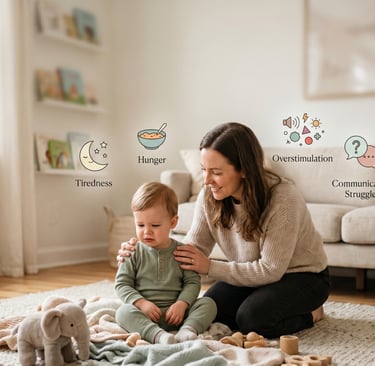
Common Triggers of Toddler Tantrums
Toddler tantrums are often unpredictable, but they frequently arise due to a variety of common triggers. Understanding these triggers can empower parents and caregivers to better manage and mitigate emotional outbursts. Some of the most prevalent triggers include hunger, tiredness, frustration, and overstimulation.
Hunger is one of the primary factors leading to tantrums. When toddlers are hungry, their mood can quickly sour, leading them to express their discomfort with crying or screaming. For instance, a toddler who has missed a meal might start throwing a fit in a store because they are unable to articulate their need for food. Similarly, tiredness can exacerbate a child's emotional state. Little ones require ample sleep, and when they are overtired, they often become irritable and more prone to having tantrums. A child who has skipped their afternoon nap may react dramatically over minor inconveniences, such as a favorite toy being out of reach.
Frustration is another common trigger. As toddlers begin to explore their environment and assert their independence, they sometimes encounter challenges they cannot overcome. For example, a child struggling to build a tower with blocks may react with anger if the blocks keep toppling over. This experience of frustration can be overwhelming for them, resulting in a tantrum as they lack the verbal skills to express their feelings adequately. Lastly, overstimulation can also lead to tantrums. In a bustling environment, such as a crowded playground or a noisy birthday party, toddlers may feel overwhelmed by the sights and sounds. This sensory overload can trigger emotional responses when they are unable to process the chaos around them.
Understanding these triggers is crucial for helping toddlers manage their emotions effectively. By recognizing these situations, caregivers can anticipate tantrums and create environments that reduce the likelihood of outbursts, ultimately supporting toddlers as they navigate their emotional development.
The Emotional Development of Toddlers
The emotional development of toddlers is a crucial aspect of their overall growth and can be understood through several key stages. In the early years, particularly from ages one to three, toddlers often experience an array of strong emotions, including joy, frustration, and anger. These intense reactions are not simply a result of the child being 'difficult'; rather, they stem from a lack of emotional regulation capabilities, which is characteristic of this developmental phase. During this period, toddlers are learning to identify and interpret their own feelings, as well as those of others.
As they approach two years of age, toddlers become increasingly aware of the emotions they are experiencing. They begin to associate emotions with certain situations or stimuli. For instance, if a toy is taken away, a toddler may respond with distress or anger, reflecting their developing understanding of possessiveness and attachment. This also marks a transient phase in their emotional development where they might not have the vocabulary to express their emotions adequately, often leading to frustration expressed through tantrums.
Emotional regulation is vital in this learning process. It is the ability to manage and respond to one’s emotional experiences in a healthy manner. Parents can play a significant role in supporting their toddlers through this stage by modeling appropriate ways to express emotions. For instance, caregivers can verbally label emotions for their toddlers, saying phrases like "I see you are angry because the toy is not working." This understanding can help toddlers begin to articulate their feelings rather than resorting to tantrums. By fostering an environment that welcomes emotions and supports their expression, parents can enhance their child’s emotional development.
Ultimately, understanding the emotional intricacies of toddler behavior is essential for caregivers. It can help them respond with empathy and patience, ultimately leading to better emotional intelligence in their children as they grow.
Strategies for Preventing Tantrums
Developing effective strategies for preventing toddler tantrums can significantly enhance the parenting experience and help maintain a harmonious atmosphere at home. One fundamental approach is establishing consistent routines. Toddlers thrive in environments where they know what to expect, which helps reduce anxiety and frustration. Parents can implement daily schedules that outline key activities, such as meal times, playtime, and nap times, providing children with a sense of security and predictability.
Another crucial aspect in minimizing tantrums is recognizing early signs of distress. Toddlers often display subtle cues that they are becoming overwhelmed or frustrated, such as changes in body language, facial expressions, or vocalizations. By being vigilant and attentive to these early indicators, caregivers can intervene before a situation escalates into a tantrum. Promoting coping techniques, such as deep breathing or taking a break, can also be beneficial, allowing children to manage their emotions more effectively.
Creating a supportive environment plays a significant role in fostering emotional regulation in toddlers. This can be achieved by ensuring that the child's physical space is conducive to healthy development. For example, providing suitable toys and activities can keep toddlers engaged and focused, preventing boredom that might lead to outbursts. Furthermore, parents and caregivers can teach their toddlers emotional language, enabling them to articulate their feelings. Simple exercises, such as labeling emotions during play or reading books that explore various feelings, can help children express themselves rather than resorting to tantrums when they are upset.
By incorporating these strategies into daily life, caregivers can ease some of the stress associated with toddler tantrums, ultimately creating a more positive and nurturing environment for their children.
Techniques for Managing Tantrums When They Occur
When faced with a toddler tantrum, employing effective techniques can help caregivers navigate these challenging situations. One of the primary strategies involves maintaining calmness. It is essential for parents to remain composed during the outburst, as this sets a positive example and helps to de-escalate tension. By modeling calm behavior, caregivers reassure their toddlers that they are in a safe environment, which can facilitate quicker recovery from the tantrum.
Another beneficial technique is distraction. Engaging toddlers with a different activity or toy can divert their attention from the source of distress. For instance, if a child is upset over a toy dispute, introducing a new game or taking a walk can shift their focus and mitigate the tantrum. This method not only helps in situational management but also promotes the idea of flexible thinking in children.
Validation of feelings is crucial during tantrums. Acknowledging a toddler's emotions, such as saying, "I understand you are upset because you want that toy," can help them feel heard and understood. This empathy can lessen the intensity of their feelings and encourages emotional expression. Caregivers should use this opportunity to teach emotional vocabulary, allowing toddlers to articulate their feelings moving forward.
After a tantrum subsides, utilizing positive reinforcement becomes vital. Recognizing and praising a child’s ability to calm down reinforces better behavior for future instances. Furthermore, consistent responses to tantrums—whether managing them through distraction or validation—comprise an effective approach. Establishing firm boundaries and explaining acceptable behavior helps toddlers understand expectations, gradually promoting emotional regulation as they mature.
LUME GUIDE
Digital tools for calmer homes, lighter minds, and easier parenting.
Important Links
contact info
+27 7647 03878
© 2026, Lume Guide. All rights reserved.